
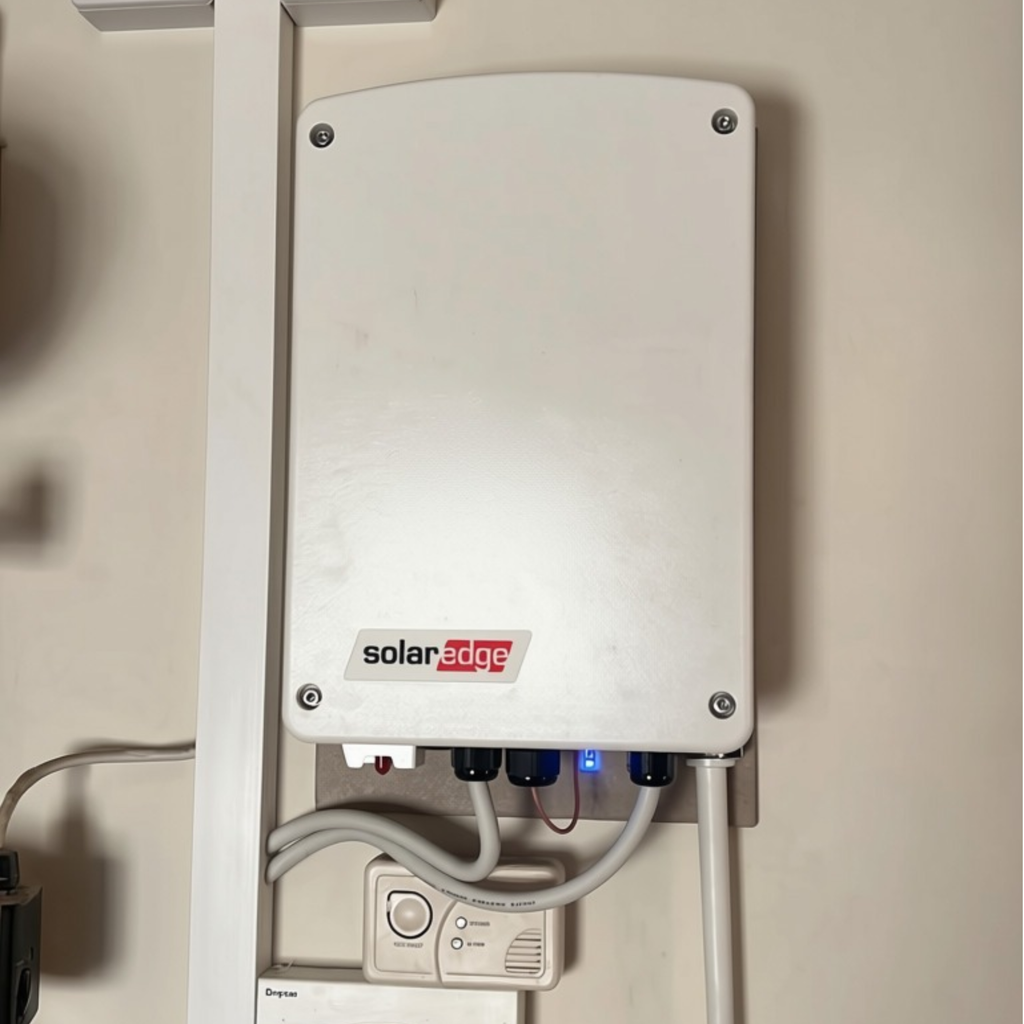
If you have solar panels and a hot water controller, you might be wondering why you sometimes still need your boiler or another heating system to provide hot water.
It’s a question we’re sometimes asked, particularly as the days become shorter and solar generation reduces during the autumn and winter months.
The important thing to understand is that a solar hot water controller makes use of spare solar electricity. It doesn’t guarantee a constant supply of hot water.
Let’s explain how it works and what you can expect throughout the year.
What is a solar hot water diverter?
When your solar panels generate electricity, that electricity is used to power your home first.
If your panels produce more electricity than you’re using, the surplus would normally be exported to the National Grid.
A solar hot water controller allows some of that spare electricity to be used to heat the water in your hot water cylinder instead.
It does this by directing surplus solar electricity to your immersion heater, helping you make better use of the energy your panels generate.
This can reduce the amount of gas, oil or electricity you need to buy to heat your water.
When will a solar hot water controller heat your water?
The diverter will only use solar energy when there is enough spare electricity available.
For example:
- On a sunny day: Your solar panels may generate plenty of electricity. Once your home’s immediate electricity needs are met, any surplus can be directed towards heating your water.
- On a cloudy day: Your panels may still generate electricity, but there might not be enough spare energy to heat your water significantly.
- In the evening or overnight: Your solar panels aren’t generating electricity, so the device won’t be able to heat water using surplus solar energy.
- During winter: Shorter days and generally lower solar generation mean there may be fewer opportunities to heat water using solar alone.
It’s also worth remembering that if your hot water cylinder has already reached its target temperature, the controller won’t need to send more electricity to the immersion heater.
Do I still need to use my boiler?
In many homes, yes.
A hot water controller is designed to help reduce the energy needed from your usual hot water heating system, rather than necessarily replacing it altogether.
During the summer, you might find that your solar panels generate enough spare electricity to provide much of your hot water.
However, during periods of lower solar generation, you may need to use your gas/oil boiler, immersion heater or another heating system to bring your water up to the required temperature.
This doesn’t mean your device isn’t working properly. It may simply mean that your solar panels haven’t generated enough surplus electricity to heat the water.
Can I heat my water without spare solar electricity?
Depending on your system and its settings, you may also have the option to heat water using electricity from the grid.
For example, the SolarEdge Hot Water Controller offers additional controls that can allow you to schedule water heating or activate it manually.
This can be helpful if you need hot water at a particular time, regardless of how much spare solar electricity is available.
However, it’s important to remember that heating water using grid electricity may add to your electricity bill.
The best approach will depend on your electricity tariff, your usual hot water needs and how your system has been configured.
Understanding your SolarEdge Hot Water Controller
If you have a SolarEdge Hot Water Controller, you can use the mySolarEdge app to view and manage its operation.
The video below demonstrates some of the settings available, including how to manage the use of excess solar electricity and additional heating options.
It’s worth familiarising yourself with these settings so you understand when your water will be heated using spare solar electricity and when other heating options may be needed.
Not Getting Hot Water? A Few Things to Check
If you have a solar hot water controller but your water isn’t as hot as expected, it doesn’t necessarily mean there’s a problem with your system.
Here are a few simple things worth checking before contacting us.
1. Have your solar panels been generating enough electricity?
Your controller uses spare solar electricity to heat your water. If it’s been cloudy, the days are shorter or your household has been using most of the electricity generated, there might not have been enough left over to heat your water.
You can check your solar generation using your monitoring app.
2. Has your household used more hot water than usual?
If you’ve had extra visitors, several showers or used a lot of hot water throughout the day, your stored hot water may have run low.
Your controller will need sufficient surplus solar electricity and time to heat the water again.
3. Is your usual hot water heating system switched on?
During periods of low solar generation, you may still need your boiler or another heating system to provide hot water.
Check that your normal hot water heating schedule is active and that your system is operating as expected.
4. Have you checked your diverter settings?
If you have a SolarEdge Hot Water Controller, the mySolarEdge app allows you to view and manage its settings.
Check whether the controller is set to use excess solar electricity and whether any additional heating schedules are configured as you expect.
Remember, using grid electricity to heat your water may result in additional energy costs.
5. Is your immersion thermostat faulty?
You may have a faulty thermostat.
To check if your thermostat is working correctly, please contact your plumber.
6. Is your water still not heating as expected?
If you’ve checked the above and are still experiencing problems, please get in touch with the Sunlit Solar team.
We’ll be happy to help you understand whether your system is operating as expected or whether something needs further investigation.
For safety, please don’t remove any covers, open electrical equipment or attempt electrical repairs yourself.
Making the most of your solar hot water diverter
A hot water controller can be a useful addition to a solar installation, helping you use more of the electricity your panels generate rather than sending it back to the grid.
The key is understanding that its performance will naturally vary throughout the year.
During sunnier months, you may be able to heat a significant amount of your hot water using solar electricity. During winter, you’ll probably need to rely more on your usual heating system.
At Sunlit Solar, we design solar installations around the needs of each property and household, including how electricity is used and how water is heated.
If you’re considering adding a hot water controller to your solar installation, our experienced Somerset team would be happy to talk through the options.
Frequently Asked Questions
What is a solar hot water controller and how does it work?
A solar hot water controller uses surplus solar electricity to heat the water in your hot water cylinder by directing it to the immersion heater, helping you make better use of the energy your panels generate. It does this after meeting your home’s immediate electricity needs and can reduce the amount of gas, oil or electricity you need to buy to heat your water.
When will a solar hot water controller heat your water?
The controller will only use solar energy when there is enough spare electricity available. On a sunny day, surplus energy may heat water after your home’s needs are met; on a cloudy day there may be little surplus; in the evening or overnight there is no solar generation; and in winter there are fewer opportunities due to shorter days.
Do I still need to use my boiler?
In many homes, yes. A hot water controller is designed to reduce the energy needed from your usual hot water heating system rather than replace it entirely. During summer you may get much of your hot water from solar energy, but in periods of lower solar generation you may need to use your boiler, immersion heater, or another heating system.
Can I heat my water without spare solar electricity?
Depending on your system and settings, you may have the option to heat water using electricity from the grid. For example, some controllers offer scheduling or manual heating, but heating with grid electricity may add to your electricity bill, so the best approach depends on your tariff, hot water needs, and system configuration.
How can I understand and manage the SolarEdge Hot Water Controller?
If you have a SolarEdge Hot Water Controller, you can use the mySolarEdge app to view and manage its operation. The available settings include managing the use of excess solar electricity and additional heating options, and it is useful to familiarise yourself with these settings to know when water is heated with spare solar energy versus other heating methods.

Website: www.sunlit-solar.co.uk
Email: info@sunlit-solar.co.uk