

Performance & Savings:

Grid Independence:
38%

Estimated Payback Period:
4.5 Years

Estimated Monthly Bill Saving:
£2,452

Estimated Annual Bill Saving:
£29,424

Estimated Net Lifetime Bill Saving:
£1,038,845
System Overview:

System Size:
231kW

PV Modules:
428

Inverters:
2x30kW + 2x50kW

Optimizers:
428
Predicted Impact:
Annual Energy Production:
199.8MWh

Installed DC Power:
231kWp

Max Achieved AC Power:
160kW

Annual CO2 Emissions Saved:
51t

Equivalent Trees Planted (annually):
2,342
Find out how much you could save…
Book A FULLY REFUNDABLE site Survey Today!

Client Overview:
Westcombe Dairy is a Somerset cheesemaker and regenerative farming business, producing traditional unpasteurised cheeses including its clothbound Westcombe Cheddar, Duckett’s Aged Caerphilly and Ricotta, using raw milk from its own herd. With a strong connection to the land, the business places sustainability, soil health and pasture diversity at the heart of its approach.
As an energy-intensive dairy and food production site, Westcombe wanted to make better use of its available roof space to generate more of its own electricity. Solar offered an opportunity to reduce ongoing energy costs and reliance on the grid, while supporting the business’s wider commitment to a more sustainable and resilient way of working.

Project Scope:
Sunlit Solar was appointed to upgrade and expand Westcombe Dairy’s existing solar PV system, replacing the older installation and increasing the site’s overall solar generation capacity.
The project was carefully designed to retain the original Feed-in Tariff linked to the existing system, so Westcombe could continue to benefit from those generation payments while adding significantly more solar capacity across the available roof space.
The aim was to make better use of the site’s roof area, increase the amount of renewable electricity generated on site and reduce reliance on grid electricity, all while protecting the value of the original solar investment.

Solution Implemented:
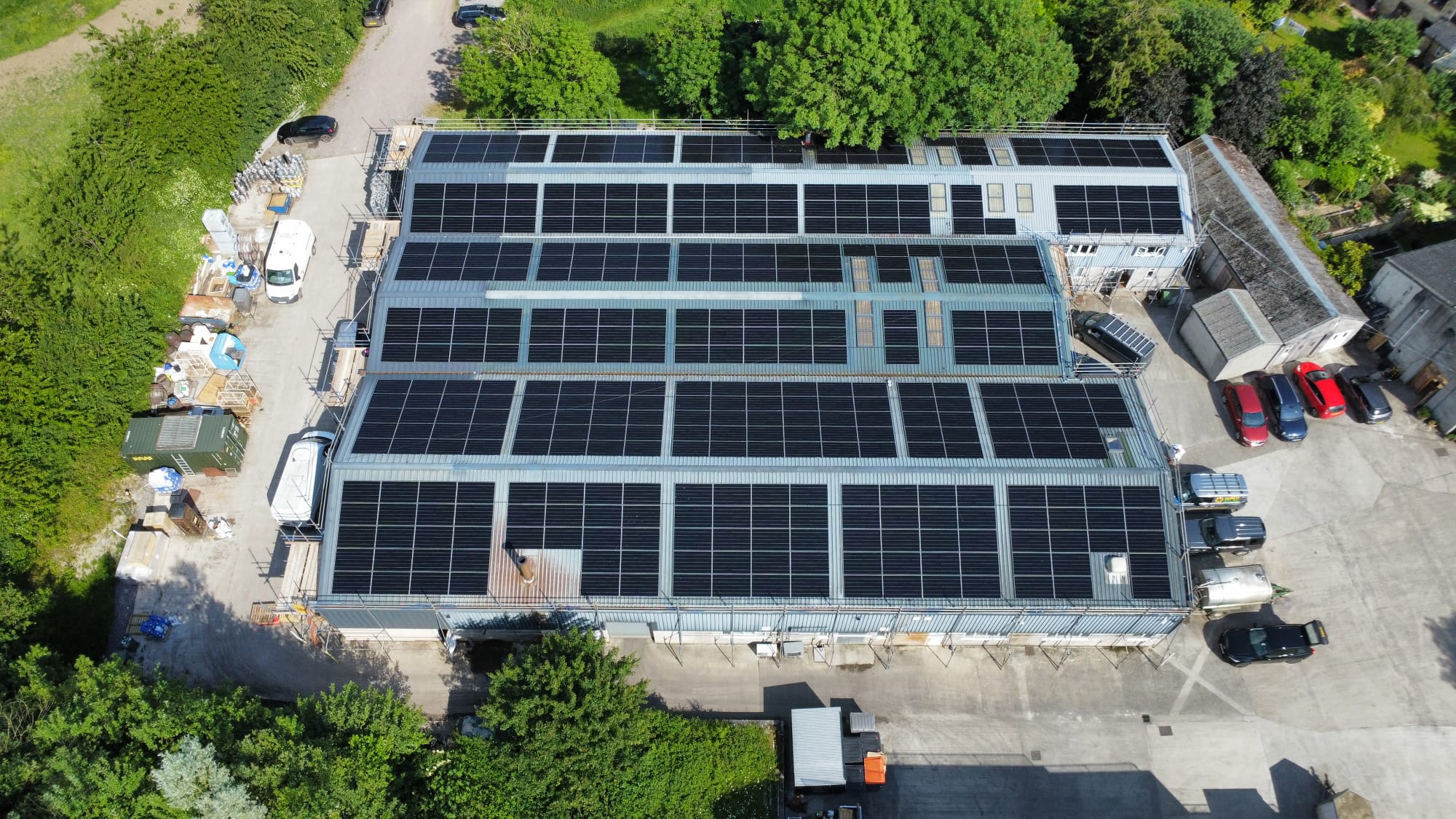
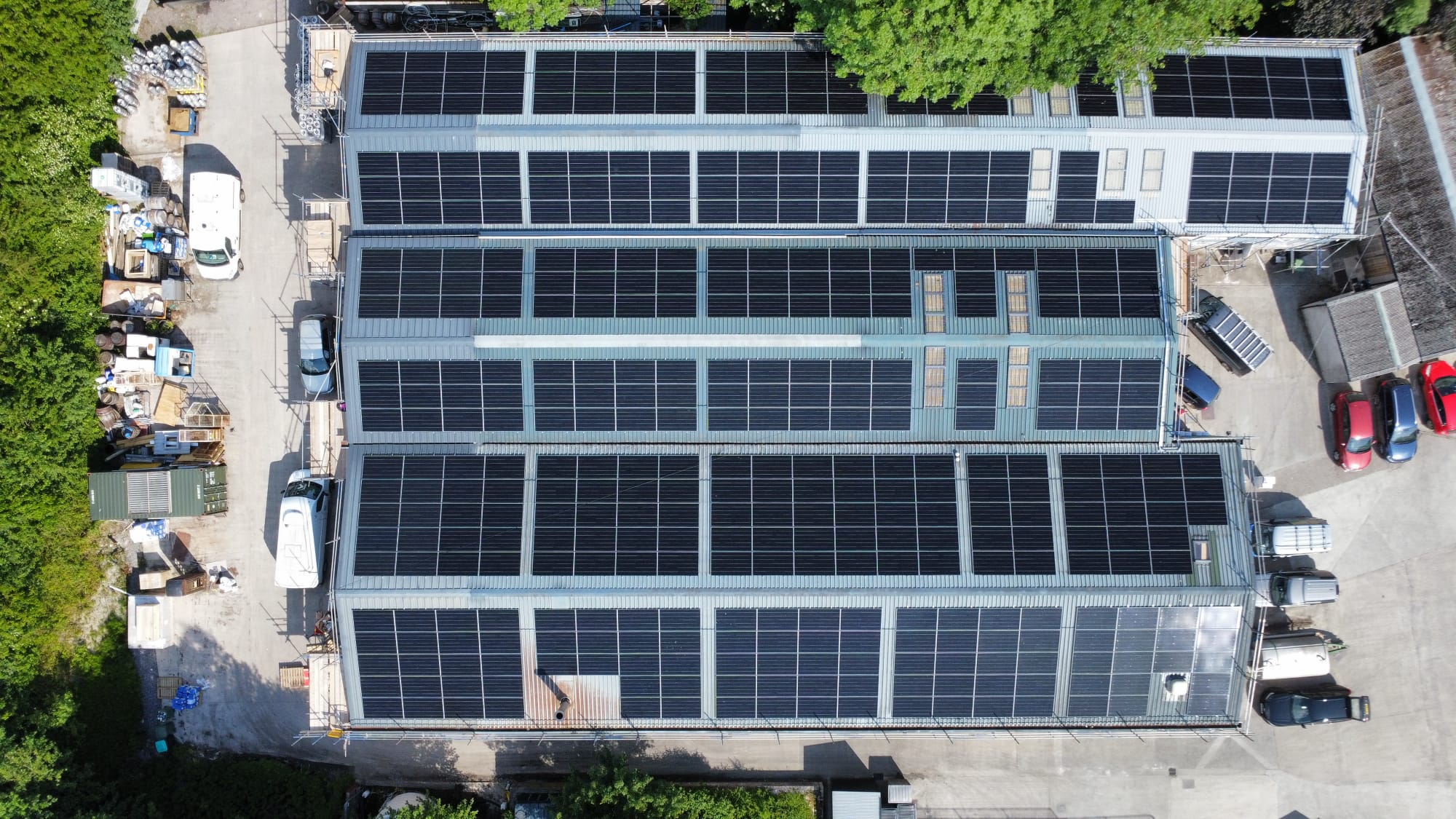
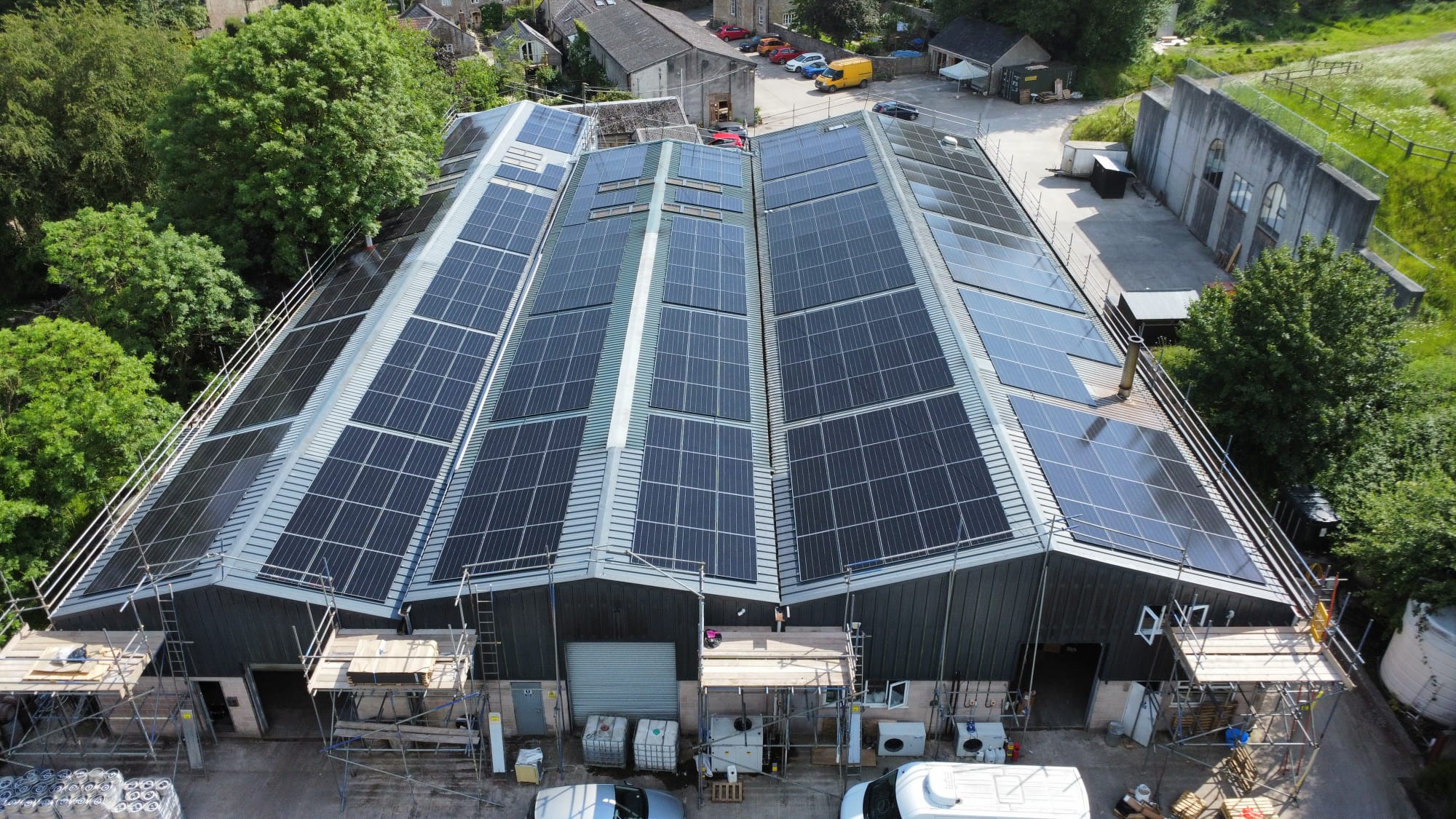
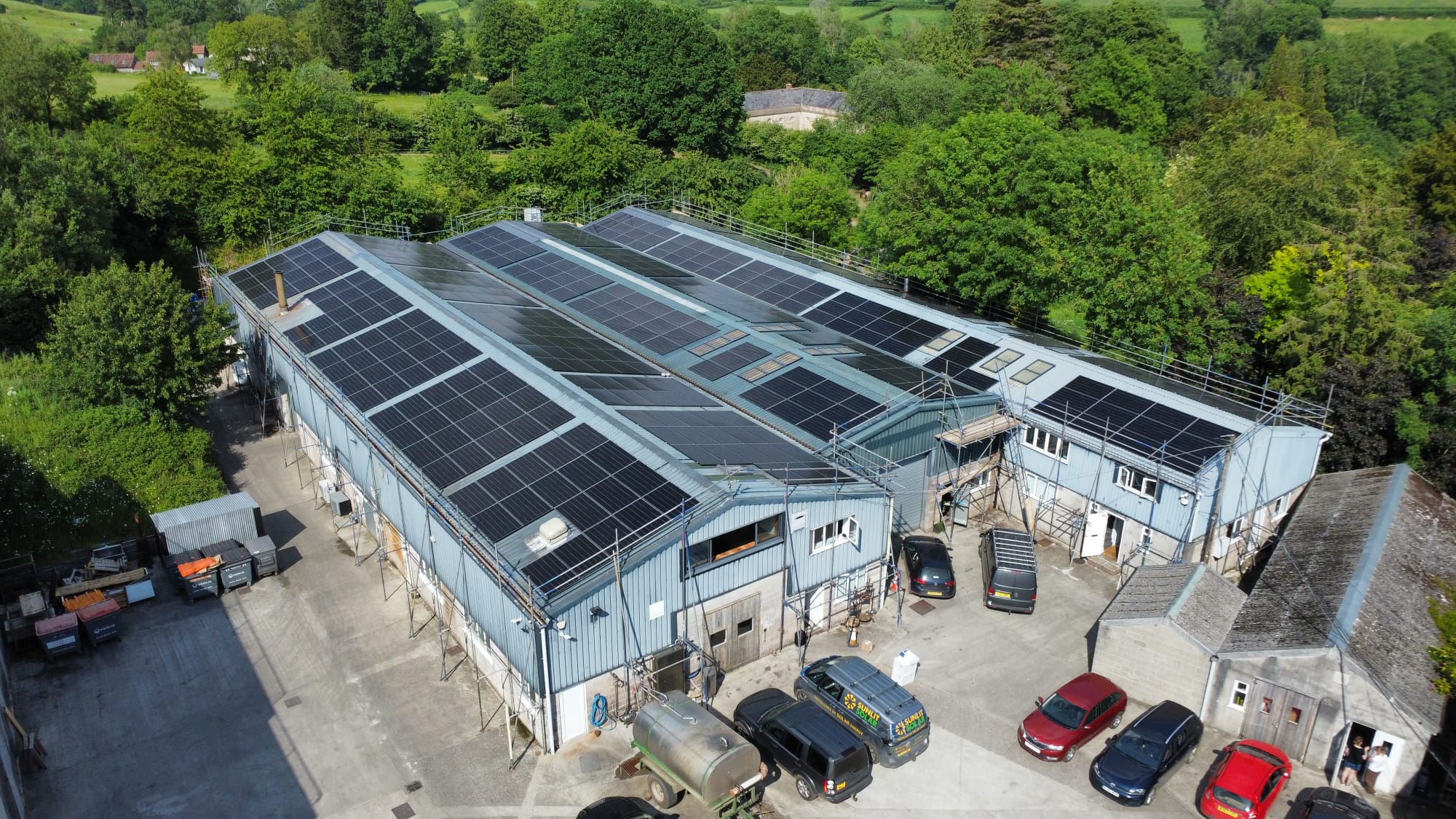
Our team designed and installed a bespoke commercial solar PV array for Westcombe Dairy, carefully planned around the site, the original installation and its available roof areas.
The system includes 428 PV modules, supported by two 30kW and two 50kW inverters. This design helps the business capture as much usable solar energy as possible, while supporting strong long-term performance across the installation.
Results Achieved:
The upgraded system makes effective use of Westcombe Dairy’s available roof space, significantly increasing the amount of renewable electricity that can be generated on site.
By tailoring the system around the site and the business’s energy requirements, Westcombe Dairy can now generate a much greater proportion of its electricity from solar, helping to reduce reliance on the grid and support the dairy’s long-term energy needs.

Clean Energy Generation:
The completed solar PV system is predicted to generate approximately 199.8MWh of clean energy each year.
By producing more of its own electricity on site, Westcombe Dairy is expected to reduce its dependence on traditional grid energy, helping to lower running costs and improve long-term operational efficiency.

Carbon Emissions Reduction:
The system is also predicted to save around 51 tonnes of CO₂ emissions each year, equivalent to planting approximately 2,342 trees annually.
This reduction supports Westcombe Dairy’s wider commitment to a more sustainable way of working, helping the business lower its environmental impact while generating more of its own renewable electricity on site.

Operational Efficiency:
With an estimated monthly bill saving of £2,452, an estimated net lifetime bill saving of £1,038,845 and a predicted payback period of less than five years, the installation shows the long-term value a well-designed commercial solar system can offer.
If your business has suitable roof space, solar could help reduce energy costs, improve sustainability and provide long-term protection against rising electricity prices.
Contact our local, family-run Somerset team to arrange a no-obligation site survey and find out what solar could achieve for your business.
For a FULLY REFUNDABLE Site Survey:
MAke An Enquiry OnlineGive us a call on 01458 834 936
Or email us at info@sunlit-solar.co.uk