
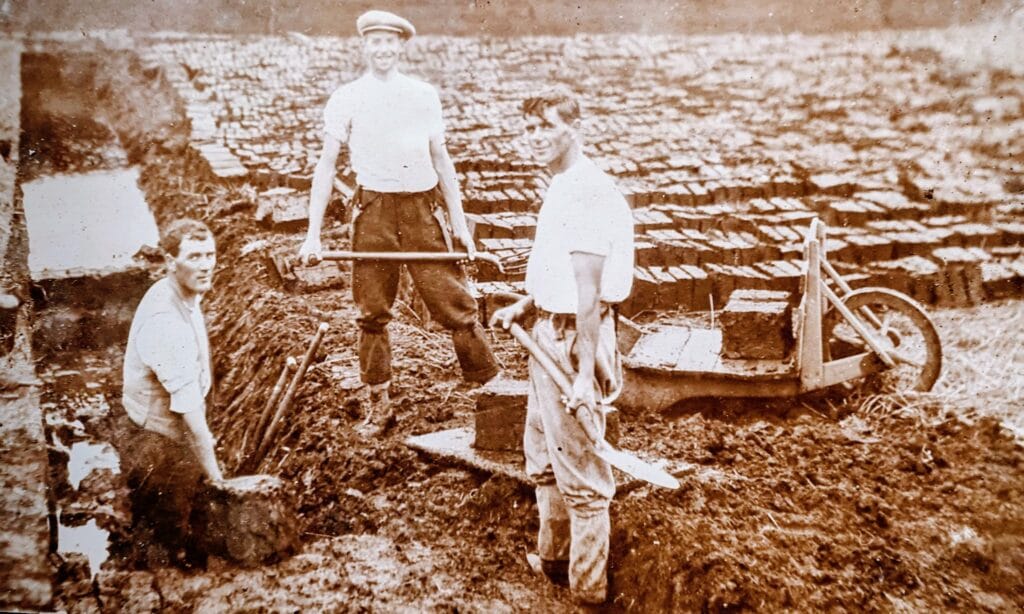
Long before solar panels appeared on Somerset rooftops, the Rogers family was already working in energy.
The story begins in the mid-1800s when Charlotte Rogers moved from Wedmore to Westhay with her two-year-old son, Edwin. Charlotte worked cutting peat, and Edwin learned the trade alongside her from an early age.
Edwin’s son Edmund George Rogers followed in his grandmother and father’s footsteps and continued into the family trade. In 1926, at just sixteen years old, Edmund rented a small piece of turbary land from the Shawick Estate. He had the right to dig peat from the land and he cut it by hand, dried it and sold it as fuel in blocks called “turves”.
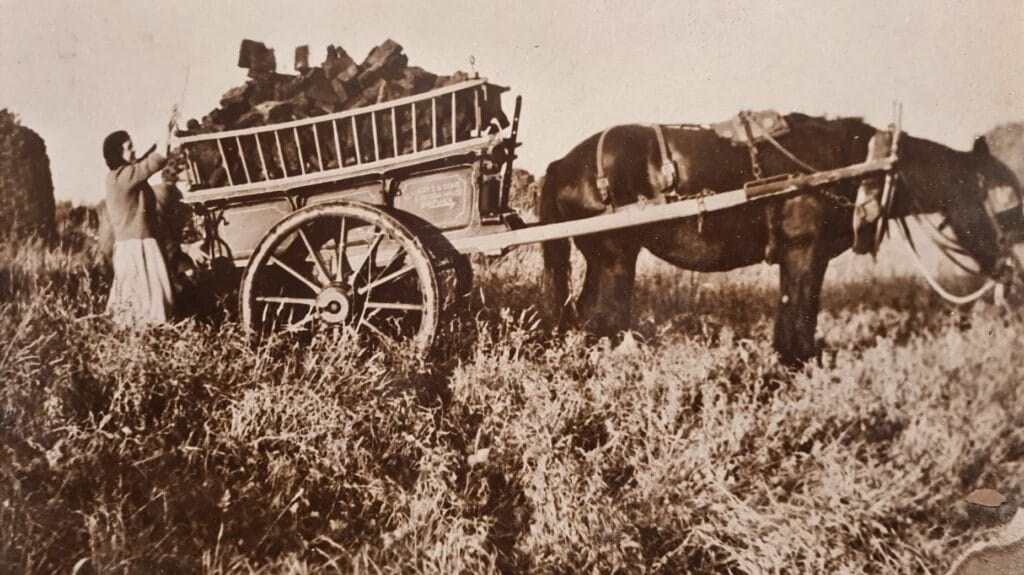
At the time, peat was considered a cleaner alternative to coal. It burned with less sulphur, had a more pleasant smell and was seen as a greener option in an era long before environmental policy was a consideration. It was also cheaper, because it was dug rather than mined.
Edmund became known locally as one of the best peat cutters in the area. Edmund was kept back from the war as he was needed for the peat industry. He worked steadily and built a reputation for both skill and reliability.
The physical demands of peat cutting were considerable, and towards the end of the war Edmund developed a nerve complaint that caused his head to twitch. It was likely the result of years of hard manual labour combined with the effects of wartime rationing, during which he often shared his own food with his children. Before the war he might eat half a pound (227g) of cheese for lunch, yet under rationing the weekly allowance was just 2 ounces (56g).
In 1944, he decided to leave the Eclipse Peat Company and go out on his own.
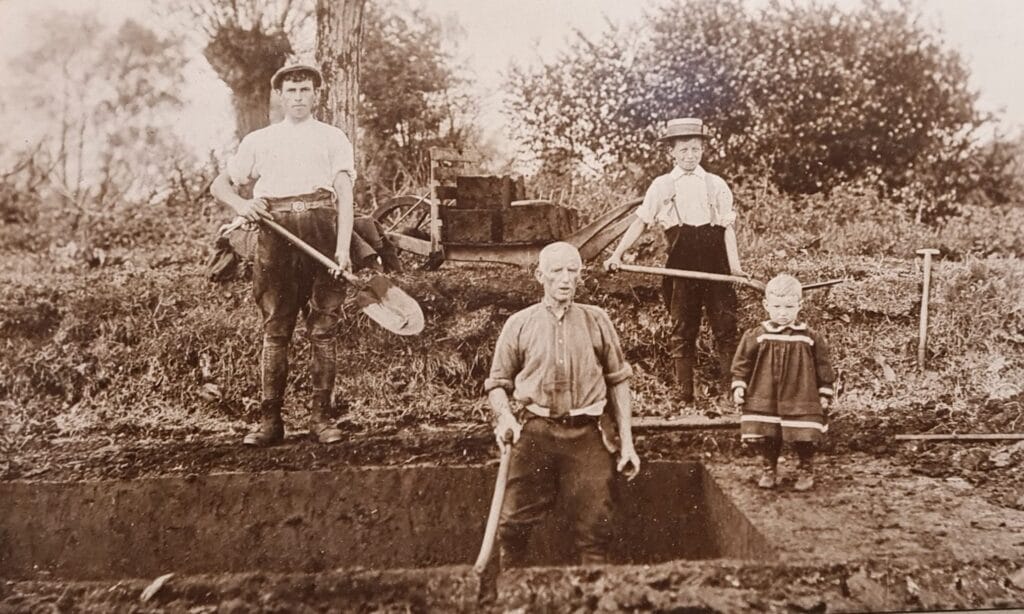
He purchased land on Burtle Road and continued digging peat independently. When coal production became mechanised after the war and prices fell, the market shifted. Rather than step away, he adapted.
The business expanded into firewood alongside peat and eventually moved into logs entirely. In the early days, timber merchants would often only want the trunks of the trees, leaving the “heads” behind. Edmund would buy these heads and would cut and sell the wood. Over time, forestry businesses began paying him to remove the tops, further supporting Edmund in turning waste into value.
By the 1960s, peat experienced a revival of sorts. Percy Thrower of Gardener’s World famously recommended peat mixed with sharp sand as an ideal growing medium. Demand increased, and the family purchased land known locally as The Willows (now known as the Avalon Marshes Centre), establishing a garden centre during the decade.
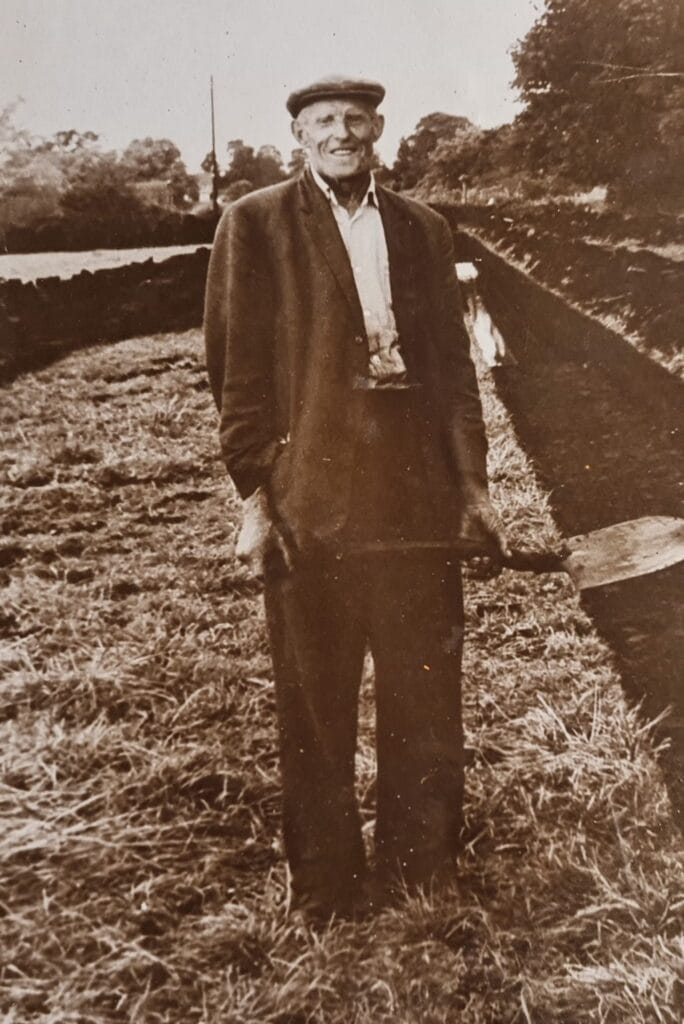
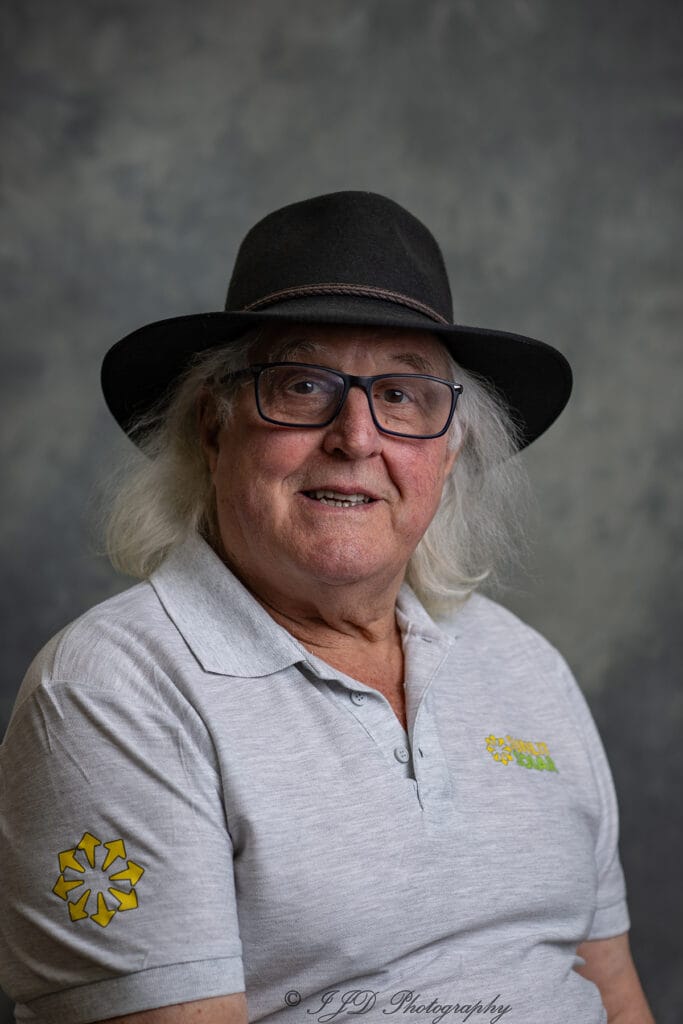
The business was eventually handed down to Roger Rogers in the 1970s.
Roger diversified again and began to sell small packs of peat for barbecues. The work evolved, but the core remained the same: supplying fuel and energy to local people.
By the early 1990s, attitudes towards peat were beginning to change. As awareness grew about its environmental impact, demand started to decline and the future of the trade became uncertain. Rather than holding on to a fading industry, Roger chose to look forward. He retrained as an electrician and founded Rogers Restorations, focusing on building restoration and electrical work. It marked a turning point for the family business, laying the foundations for the next stage in the Rogers family’s long connection with energy.
Roger’s son, Mike, later qualified as an electrician and joined the family business, continuing the shift towards electrical services. By the early 2000s, renewable energy was beginning to gather momentum, and another transformation in the Rogers family’s long connection with energy was quietly taking shape.
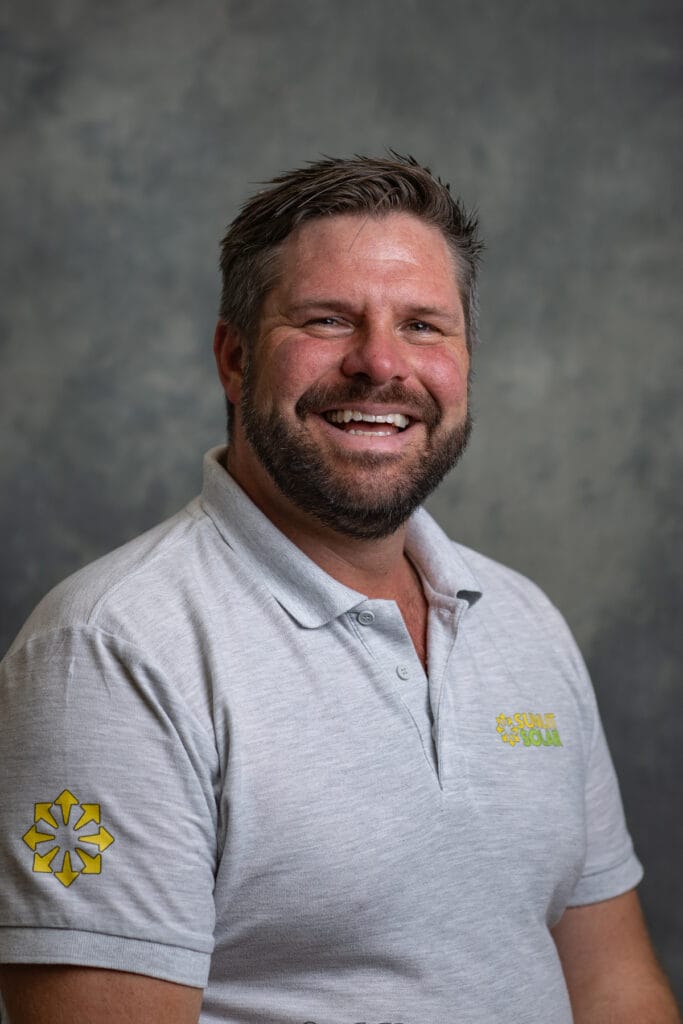
The move into solar marked the start of a new chapter. From peat and firewood to photovoltaic panels and battery storage, the technology changed, but the purpose did not. It was during this transition that Sunlit Solar was established, bringing the family’s long history in energy into the era of renewable power.
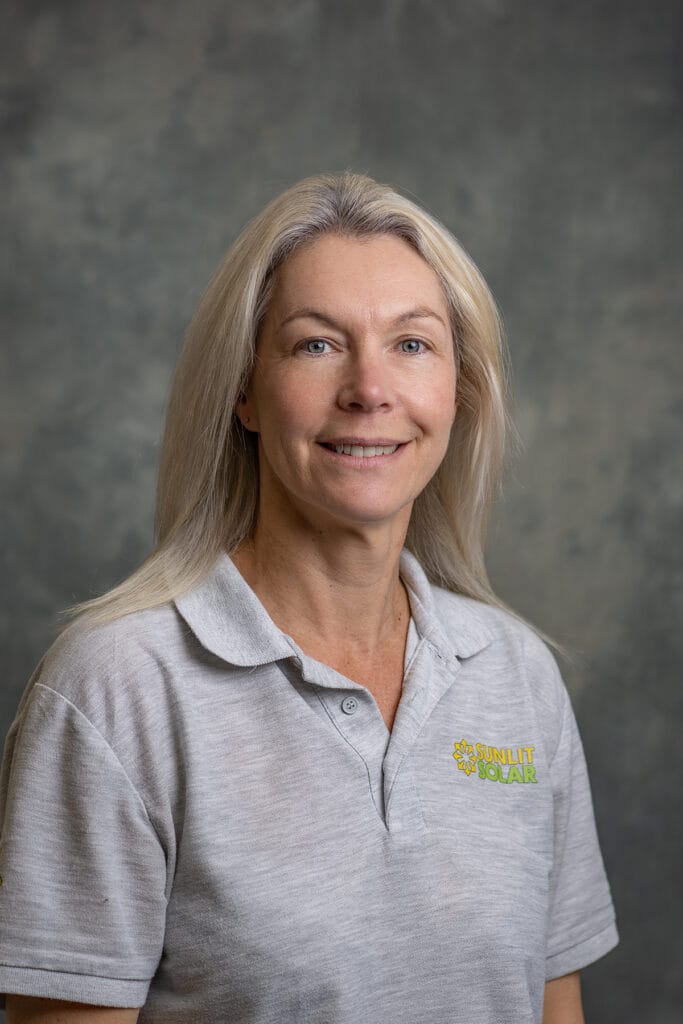
In 2016, Roger’s daughter, Emily Mulliner, also joined the family business. Having grown up around the company and its evolving work, she became part of the next stage of the Rogers family’s involvement in energy. Today, Emily works alongside her brother Mike as Operations Director, helping to oversee the day-to-day running of Sunlit Solar. Her role reflects the same family continuity that has shaped the business for generations, with Roger’s children now working together to guide its modern chapter.
The Rogers family has worked in energy for over 150 years. But what has remained consistent throughout is craftsmanship, adaptability and a willingness to move with changing energy landscapes. Today, Sunlit Solar designs and installs bespoke solar and battery systems across Somerset.
From the Somerset peat bogs to modern rooftop solar arrays, it has always been about helping homes and businesses power their lives. Just in different ways.

Phone: 01458 834 936
Email: info@sunlit-solar.co.uk
Website: www.sunlit-solar.co.uk